
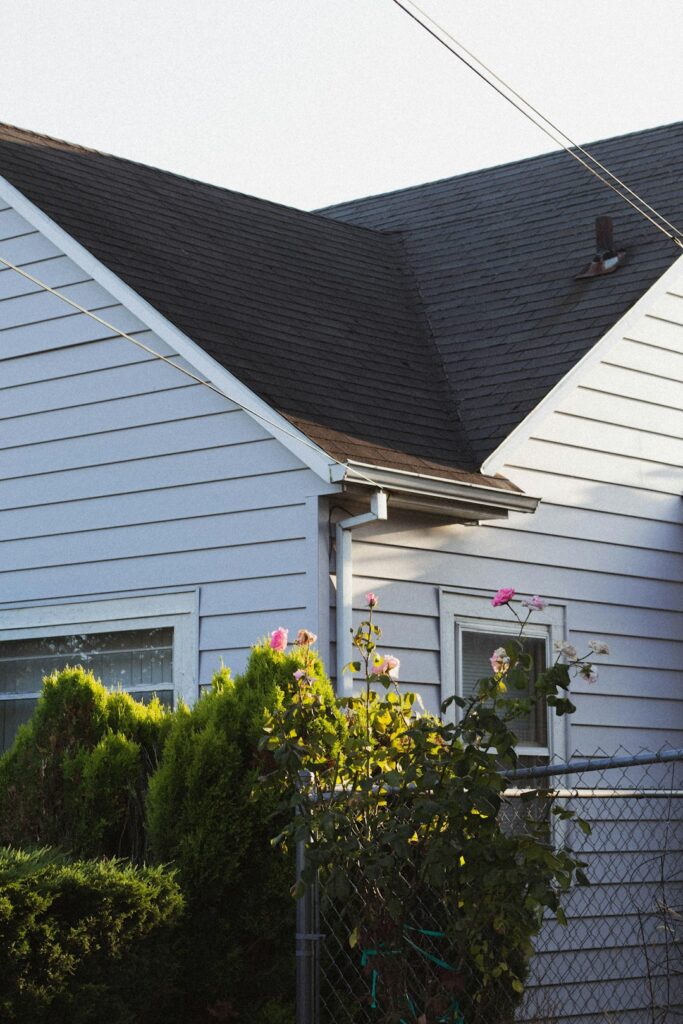
Hail damage is not always dramatic. A roof may still look intact from the driveway while individual shingles, metal components, vents, or flashing have been weakened by repeated impacts. In Ticonderoga, NY, spring and summer thunderstorms can bring hail along with strong wind and heavy rain, making it useful to know which signs deserve closer attention.
What does hail damage usually look like?
Hail damage on asphalt shingles commonly appears as small, irregular dents or depressions where the granule surface has been struck. The damaged areas may look darker, smoother, or slightly bruised compared with the surrounding shingle.
Fresh damage can be easier to recognize shortly after a storm. Over time, exposed areas may weather, crack, or lose more granules, making the original impact less obvious.
Look for:
- Small circular or oval marks on shingles
- Missing or heavily loosened granules
- Exposed black or gray areas beneath the granules
- Cracks that radiate from an impact point
- Bruised-looking spots that feel softer than nearby areas
- Broken edges on ridge caps or hip caps
- Dents in metal vents, flashing, gutters, downspouts, and chimney components
Hail does not always damage every part of a roof equally. Roof slopes facing the direction of the storm may show more impact than protected slopes.
Can hail damage be seen from the ground?
Some signs can be seen safely from the ground, but a ground-level view cannot confirm that a roof is undamaged. Shingles may hide small impact marks, and the most vulnerable areas are often near ridges, edges, valleys, and roof penetrations.
After a storm, use binoculars from the yard or sidewalk to look for:
- Uneven patches on the shingle surface
- Missing granules or loose shingle pieces
- Damaged ridge caps
- Bent or dented vents
- Torn flashing
- Shingles that appear lifted, split, or displaced
Do not climb onto a roof that is wet, icy, steep, or covered with loose granules. Hail can also damage roof materials without leaving a visible hole, so the absence of an immediate leak does not prove that no damage occurred.
What other signs around the house may point to hail?
Damage on nearby exterior surfaces can help establish that hail reached the property. These clues do not prove roof damage by themselves, but they can show that the storm was strong enough to affect exposed materials.
Check for dents or chips on:
- Gutter faces and downspouts
- Aluminum siding
- Window screens
- Painted trim
- Outdoor equipment covers
- Deck railings
- Mailboxes or other thin metal surfaces
A concentration of small dents on several surfaces is more meaningful than one isolated mark. Hail may also leave scattered pellets or broken leaves on the ground, although these signs disappear quickly after rain, wind, or cleanup.
Vehicle damage can be another clue, but the absence of vehicle dents does not rule out roof damage. Roof slopes, vehicle panels, and nearby trees may have been exposed at different angles.
How can hail damage be distinguished from normal roof aging?
Not every roof defect is caused by hail. Age, heat, wind, moisture, poor ventilation, and past repairs can create similar-looking problems.
Hail damage is more likely when marks are:
- Localized in distinct impact areas
- Irregularly spaced rather than forming a uniform pattern
- Associated with granule loss
- Found on multiple roof components
- Consistent with the direction and timing of a known storm

Normal aging more often causes widespread fading, curling, brittleness, surface wear, and gradual granule loss. Wind damage commonly produces lifted, creased, or missing shingles, while hail usually creates impact marks or bruising.
Granules in the gutters deserve context. A small amount may result from ordinary aging or recent roof work. A sudden increase after a hailstorm, especially when paired with impact marks, is more concerning.
Do metal roofs and other materials show hail damage differently?
Yes. Roof materials respond differently to impact.
On metal roofing, hail may leave shallow dents, chipped coatings, or damaged seams. A dent is not automatically a structural failure, but repeated impacts can weaken protective finishes and create areas where corrosion develops later.
On wood shingles or shakes, look for split pieces, fresh fractures, and exposed underlying material. On membrane or low-slope roofing, inspect for punctures, surface bruising, or displaced flashing. Tile and slate may crack, break, or develop hairline fractures that are difficult to see from the ground.
Roof vents, pipe boots, skylight frames, and flashing can be damaged even when the main shingle field appears relatively normal. These components deserve careful attention because they are common points for future water entry.
What should homeowners do after a hailstorm?
Start with a safe exterior check and document conditions before cleanup or repairs alter the evidence. Take clear photographs from the ground, including wide views of each roof slope and close views of visible exterior damage.
Also record:
- The date and approximate time of the storm
- Whether hail was observed
- The approximate hail size, if known
- Any new leaks or ceiling stains
- Changes in gutters, siding, windows, or outdoor equipment
- Temporary measures taken to prevent additional water entry
Inside the home, inspect ceilings, attic areas, and upper walls for damp insulation, water stains, peeling paint, or daylight visible through the roof deck. Water intrusion may appear hours or days after the storm, especially when later rain reaches a weakened area.
If an active leak is present, place a container under the drip and move belongings away from the area. Avoid climbing onto the roof to cover it. Temporary roof covering or other emergency work may require someone equipped to work safely at height.
Does every hailstorm require roof replacement?
No. Hail damage may be limited to a few components, a small section, or cosmetic marks that do not affect weather protection. In other cases, impacts can reduce the service life of shingles or create openings that allow water to enter later.
The appropriate response depends on the roof’s material, age, condition, extent of impact, and whether the damaged areas can be repaired effectively. A roof should not be declared a total loss based only on hail size, a few loose granules, or a single dented gutter.
Insurance policies also differ in deductibles, exclusions, documentation requirements, and deadlines for reporting storm damage. Reviewing the policy and keeping photographs, repair records, and storm details can help residents understand what information may be needed.
When is a closer inspection necessary?
A closer inspection is warranted when there are visible impact marks, new leaks, damaged metal components, missing or displaced shingles, or widespread granule loss. It is also sensible when a severe storm affected the surrounding community but roof damage cannot be evaluated safely from the ground.
Because hail damage may be subtle and roof surfaces can be hazardous, climbing onto the roof is not a reasonable do-it-yourself step for many households. A qualified roof inspector or other appropriately equipped building professional may be needed when the condition cannot be safely assessed from ground level.
The most useful inspection separates hail damage from ordinary aging, wind damage, installation defects, and earlier repairs. That distinction helps prevent unnecessary replacement while reducing the chance that a small storm-related defect will be overlooked.
