
What Are Green Roofing Options and How Do They Work?
Green roofing options refer to roofing materials and systems designed to be environmentally friendly. In practice, this means either using “living roofs” (roofs covered with vegetation) or sustainable materials like recycled shingles or metal. These approaches serve to reduce the environmental footprint of a home’s roof while offering benefits like improved insulation and stormwater management.
For a typical household in Ticonderoga, green roofing can mean several things:
- Installing a planted “green roof” system (with soil and live plants)
- Using roofing made from recycled or sustainable materials, such as metal, rubber, or composite shingles.
Each option carries unique considerations and may deliver different results depending on climate, home style, and household goals.
Is a Planted Green Roof Practical in Ticonderoga, NY?
Most area homes are not built with true green roofs, but they are possible. A planted green roof system uses layers (waterproof membrane, soil, drainage, and plants) to turn the roof into a living space. In Ticonderoga, the cold winters, snow loads, and freeze-thaw cycles present both benefits and challenges.
- Climate suitability: Hardy, low-growing plants like sedum or native alpine species survive the area’s long winters and summer storms.
- Structural requirements: The weight of soil and snow means roofs must be engineered to handle greater loads. Retrofitting an existing roof is possible, but only after a professional assessment.
- Insulation and runoff: Living roofs help reduce heat loss in winter and manage heavy rain by absorbing water and releasing it slowly.
- Maintenance: Occasional weeding, plant care, and regular inspection for leaks are required. Winter damage is less common with proper planning.
For most residential properties, extensive (shallow, low-maintenance) green roofs are more appropriate than intensive (deeper, garden-like) ones due to weight and upkeep.
How Do Sustainable Roofing Materials Compare to Traditional Options?
Sustainable roofing can also mean choosing environmentally responsible materials rather than a fully planted green roof. In Ticonderoga, residents often ask how these alternatives stack up:
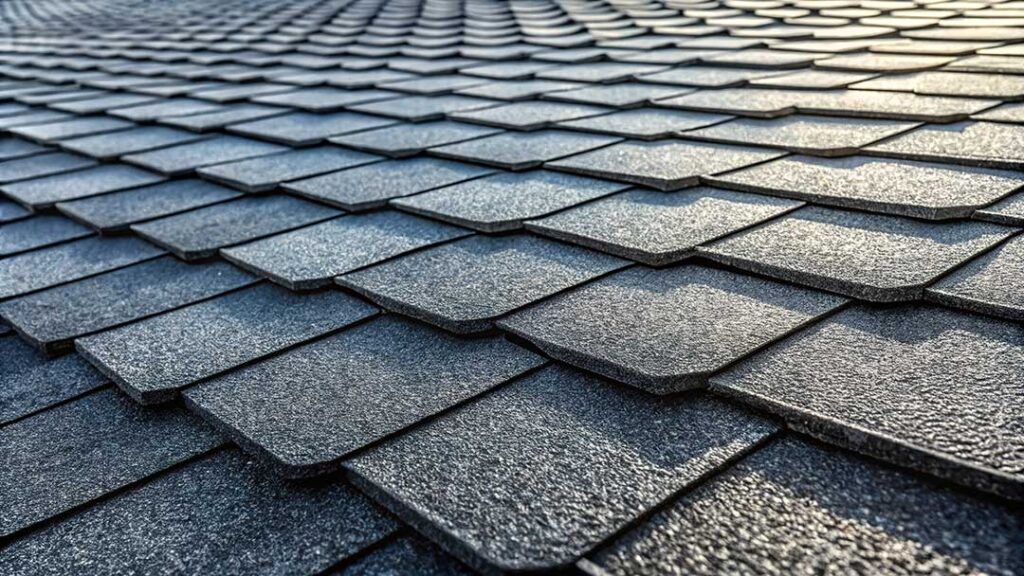
- Recycled Shingles: Shingles made from recycled rubber, plastic, or wood fibers. These often mimic traditional asphalt or cedar but with a longer lifespan and lower resource use.
- Metal Roofing: Metal is highly recyclable, durable against the Northeast’s snow and rain, and reflects heat in summer. It sheds snow efficiently, reducing winter ice dams.
- Cool Roofs: Some varieties—mostly seen in commercial settings—are coated to reflect more sunlight, reducing summer cooling needs.
While upfront costs can be higher, the long-term value may balance out through increased life span and energy savings.
What Are the Costs and Financial Benefits for Local Homeowners?
Green and sustainable roofing options often cost more at installation than traditional asphalt, but they may save money over time.
- Installation costs: Expect a planted green roof or metal system to be 2–4 times more expensive than asphalt initially.
- Energy savings: Both green roofs and reflective metal options improve insulation; area households may see lower heating/cooling bills. The effect is most noticeable on poorly insulated homes or upper-story spaces.
- Maintenance: Traditional asphalt singles require periodic replacement (every 15–20 years), while metal and some recycled options last 40–50 years or longer, reducing replacement costs.
Local grants or incentives for green building sometimes help offset upfront expenses, though these change year to year.
Are There Local Regulations or Limitations?
Ticonderoga does not have widely enforced residential restrictions on most sustainable roofing materials, but living roof projects may need additional permitting. Local building codes, snow load requirements, and historic district standards require attention before making major changes. In older neighborhoods, historical consistency may also affect what’s allowed.
- Snow load and drainage systems are critical to green roof safety and durability.
- Insurance policies may need review; some carriers require documentation for unconventional materials or green roof designs.
What Are the Pros and Cons for Residents?
Direct answers to questions heard locally:
Advantages
- Improved energy efficiency (lower bills in winter and summer)
- Stormwater management and flood risk reduction
- Extended roof life, especially with durable recycled or metal materials
- Better sound insulation
- Added habitat for pollinators or native plant species (for living roofs)
Potential drawbacks
- Higher upfront costs
- Installation complexity for living roofs
- Extra roof structure support may be required
- Maintenance requirements are generally higher (for living roofs particularly)
- Regulatory approval or permitting may be needed, depending on the change
What Misconceptions Should Residents Be Aware Of?
Some common misunderstandings persist among area residents considering green roofing:
- Snow and plant survival: Many assume living roofs can’t survive Ticonderoga’s winter. In fact, the right hardy plants and careful installation help them thrive.
- Maintenance: Not all green options require constant care; extensive living roofs are designed for minimal upkeep after establishment.
- Cost assumptions: Upfront expense is higher, but this is sometimes balanced by long-term savings and added home value.
- Leak risk: Modern green roof designs use advanced waterproofing; risk is on par with other roofing types if installed correctly.
How to Decide If a Green Roof Is Worth It for Your Home
For many in Ticonderoga, green roofing offers long-term value when insulation, sustainability, and roof longevity are priorities. The steep price of living roofs makes them less common, but for those interested in sustainable living, both planted and recycled material options are viable under the area’s weather patterns.
Consider whether your home can handle extra load, if insulation and runoff improvement is a goal, and whether you are prepared for unique maintenance or up-front costs. Evaluating the specific benefits and challenges against your household’s needs, local conditions, and regulatory environment is the best way to assess whether green roofing is worthwhile.
