
Why Is Removing Roof Debris Necessary in Ticonderoga, NY?
Clearing debris from your roof helps protect it from damage and keeps your home safe throughout the year. In Ticonderoga, leaves, pine needles, sticks, and even moss can gather on rooftops, especially after autumn winds, spring rainstorms, or heavy winter snow melts. Allowing debris to linger increases the risk of moisture retention, shingle decay, ice dam formation, pest issues, and even gutter blockages.
The typical local climate, with wet springs and snowy winters, makes regular roof upkeep essential. Area homes surrounded by mature trees, or near wooded lots, tend to see more frequent buildup.
What Materials Commonly Accumulate on Roofs Locally?
Roofs in Ticonderoga often collect:
- Deciduous leaves (particularly from maples, oaks, and birches)
- Pine needles and small cones
- Twigs, branches, and acorns
- Moss, lichen, and algae
- Impacted snow or leftover ice
- Man-made litter caught by wind
Older neighborhoods with large canopy trees, and newer developments with fresh landscaping, face similar issues, though the mix of debris may vary.
When and How Often Should You Clear Roof Debris?
Once each autumn and again in the spring is generally suitable for most homes in Ticonderoga. However, removing debris more frequently may be needed for properties with trees overhanging the roof, or after unusually windy or stormy weather.
Visually check your roof and gutters after strong winds, heavy rain, or dramatic leaf-fall periods. After snow melts, watch for piles along roof valleys. Consistent clearing helps prevent water pooling that can lead to leaks or ice dams during freeze-thaw cycles.
Which Tools and Safety Gear Are Needed for DIY Debris Removal?
For area homes with one- or two-story roofs and moderate pitch, basic hand-powered equipment is typically effective:
- Sturdy, extendable ladder placed on flat ground
- Work gloves and soft-soled shoes or boots for traction
- Leaf blower (battery or electric, not gas-powered if near attic vents)
- Roof rake or long-handled brush with soft bristles
- Plastic (never metal) roof scoop or small broom
- Bucket, tarp, or bag for collecting debris
For steep roofs, slate or tile surfaces, or multi-story homes, consider safety harnesses and never work alone. Always avoid being on the roof when it is wet, icy, or during high winds.
How Can Debris Be Safely Removed Without Damaging Shingles?
Sweep or blow away dry leaves and needles using downward motions, starting at the ridge and moving towards the gutters. Stay off the roof itself if possible—work from a secured ladder at roof edge and use extendable tools to reach all areas.
Avoid scraping, prying, or dragging anything sharp across shingles, as this can break tabs or dislodge granules. Wet, matted leaves may require gentle loosening with a soft plastic rake before removal. If branches are wedged under shingles or near flashing, carefully lift without forcing.
If removing moss or algae, minimize brushing to avoid shingle wear. Wait for a dry day, as wet organic matter is much heavier and more prone to smearing into crevices.
What About Gutters and Downspouts Connected to the Roof?
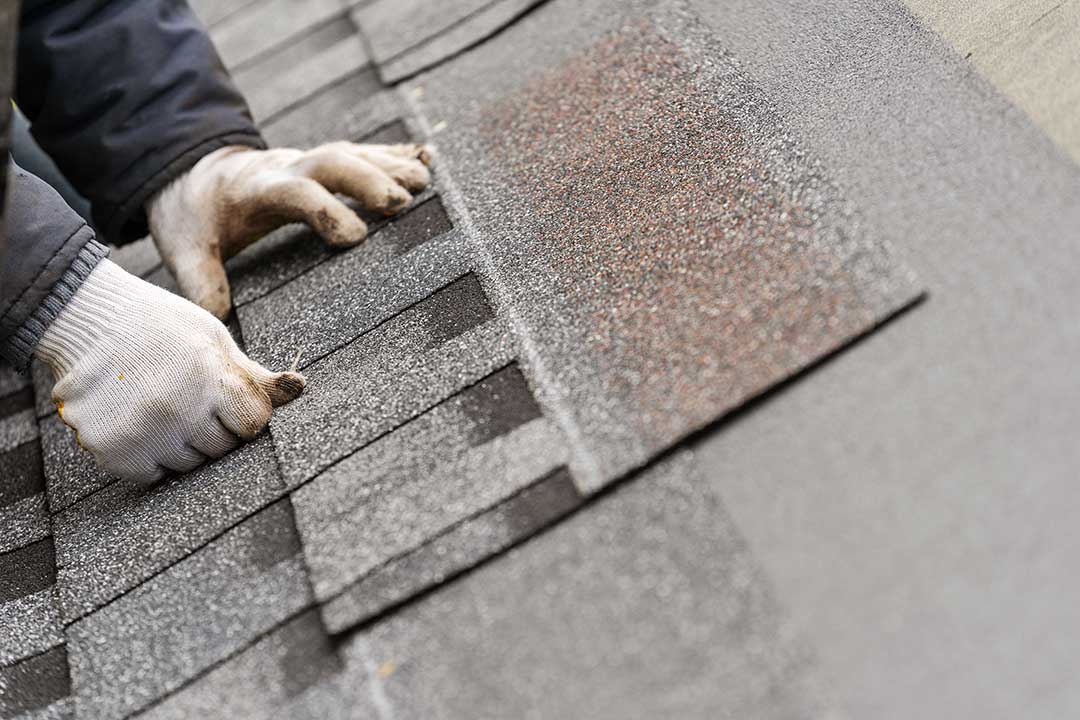
Cleaning gutters goes hand in hand with clearing debris from the roof itself. Leaves and twigs will naturally roll or wash into gutters, creating clogs that back up water under roof edges or lead to overflows onto siding.
For effective gutter clearing:
- Use a gloved hand or small scoop to remove debris before rinsing with a hose
- Double-check gutter elbows and downspouts for obstructions
- Look for water marks or signs of pooling under eaves, especially after storms common in the region
Gutter maintenance is especially vital just before winter, as blockages easily lead to ice dams along rooflines.
Are There Special Considerations for Removing Debris After Winter?
Once snow and ice clear, examine roofs for mats of pine needles, broken shingles, or branches driven by wind. Take care not to push debris under shingle edges as it may cause hidden damage. Soft-bristled brooms work well for light snow or left-behind organic matter.
Never attempt to chisel, chop, or force-removed debris that appears frozen in place—wait for a sunny day that encourages thawing, then clear away what you can reach safely.
What Are Common Misconceptions About Roof Debris?
Some homeowners believe wind alone will naturally remove most leaves and pine needles, or that moss growth looks harmless. In reality, organic buildup traps moisture and can speed up roof deterioration, especially on north-facing or shaded slopes where sunlight rarely dries the roof deck.
Others overlook hidden risks from small branches in valleys, which often wedge beneath shingle edges and channel water directly into the roofing system.
When Should Removal Be Left to a Professional?
Always prioritize personal safety. If a roof is difficult to access, steeper than comfortable, or especially tall, or if it features fragile slate, tile, or metal, removal becomes more hazardous. Likewise, if tangled debris appears to have penetrated roof layers or is interfering with electrical lines or satellite dishes, it is far safer to avoid removing it yourself.
Local building codes may also restrict certain removal methods for historic homes—review community guidelines if you live in an older section of Ticonderoga before using equipment on unique roofing materials.
What Should You Do with the Debris Collected?
All collected leaves, pine needles, and branches are considered green waste in Ticonderoga and can often be composted or disposed of through the community’s yard debris programs. Avoid burning roof debris, as residential burn regulations and air quality concerns restrict this practice within city limits.
Rather than dumping leaves back into the yard, considering using them as garden mulch—after ensuring none are mixed with roof moss, as it may contain spores.
