
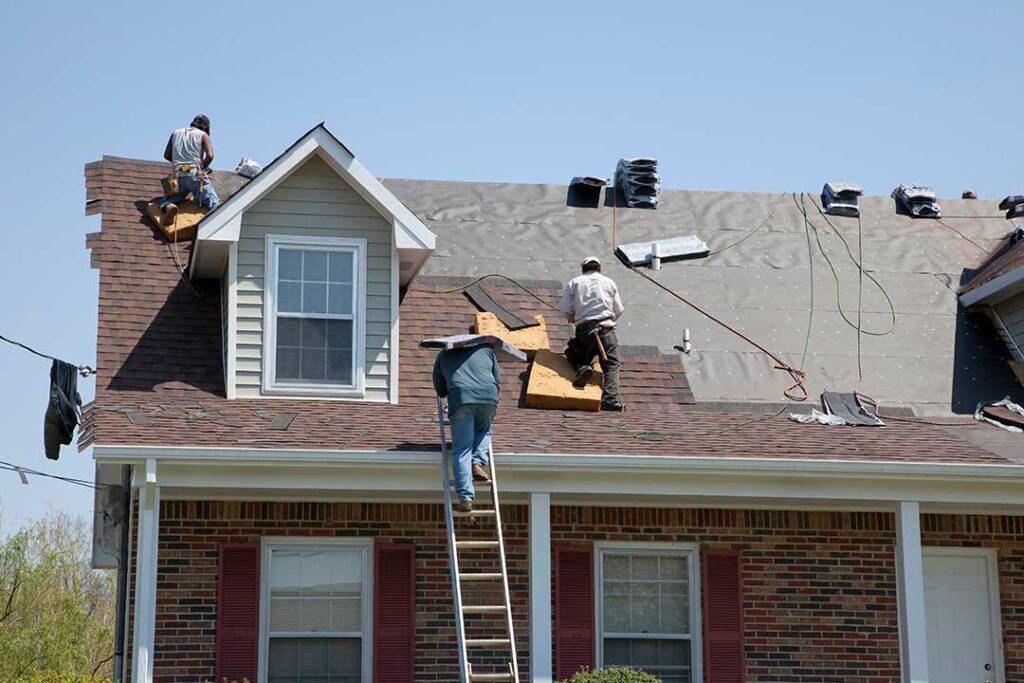
Roof damage rarely stays limited to the original problem. A loose shingle, cracked flashing joint, or slow leak can allow water to move into insulation, wood framing, ceilings, and walls. For residents of Ticonderoga, NY, seasonal rain, snow, ice, wind, and repeated freeze-thaw cycles can make neglected roof defects worsen faster than expected.
Why can a minor roof problem become a major repair?
A roof is a system of overlapping materials designed to move water away from the building. When one part fails, water may travel beneath the visible surface before appearing indoors.
A missing shingle does not always cause an immediate ceiling stain. Moisture may first reach the roof decking, attic insulation, or rafters. By the time discoloration appears inside the home, the affected area may be larger than the original defect.
Common examples include:
- A small flashing gap allowing water around a chimney, vent, or wall intersection
- A lifted shingle exposing the underlayment to wind-driven rain
- Damaged pipe flashing allowing moisture into the attic
- A blocked or poorly draining roof area holding water against roofing materials
- An aging seal around a skylight or roof penetration
The visible symptom is often not directly below the point where water entered. Roof framing, insulation, and interior finishes can redirect moisture horizontally.
What damage can water cause inside an attic?
Neglected roof repairs can affect the attic before the living areas show any obvious signs. Wet insulation loses much of its insulating value, while damp wood may begin to swell, soften, or decay.
Persistent moisture can also contribute to:
- Wood rot in roof decking, rafters, and truss components
- Rusted fasteners and metal connectors
- Sagging roof sheathing
- Damp or compressed insulation
- Musty odors
- Mold growth when moisture remains trapped
- Staining on attic floors or framing
A roof does not need to leak heavily to create these conditions. Repeated small leaks may keep materials damp enough to deteriorate over time.
Attic ventilation problems can make the situation worse. Warm, moist air from the home may condense on cold roof surfaces during winter. This can look similar to a roof leak, although both conditions may occur together. Distinguishing between exterior water intrusion and interior condensation matters because repairing only the shingles will not solve a ventilation-related moisture problem.
How do winter weather and freeze-thaw cycles affect unrepaired damage?
Cold-weather conditions can enlarge small openings. Water enters a crack or gap, freezes, expands, and places pressure on nearby materials. After thawing, the opening may be slightly wider, allowing more water to enter during the next storm.
In the local climate, roof surfaces may experience repeated transitions between snow, freezing temperatures, thawing conditions, and rain. These changes can stress:
- Shingle seals
- Flashing seams
- Roof valleys
- Fasteners
- Chimney and masonry intersections
- Gutter edges and drip edges
Ice buildup near roof edges can also interfere with drainage. If water backs up beneath shingles, it can reach underlayment and decking. Ice dams are more likely when heat escapes unevenly into the attic, so reducing attic heat loss and maintaining proper ventilation can be part of preventing recurring problems.
Snow itself is not automatically dangerous for every roof. The concern increases when snow is unusually deep, wet, or combined with existing structural damage. Warning signs may include noticeable roof sagging, doors or windows that suddenly stick, cracking sounds, or interior ceiling movement. These conditions require prompt attention and should not be investigated from the roof during unsafe weather.
Can a neglected roof create indoor air-quality concerns?
Yes. Repeated moisture can create conditions that support mold growth, particularly in dark, poorly ventilated areas such as attics, wall cavities, and insulation. Mold is not always visible. A persistent earthy odor, recurring stains, or unexplained dampness may indicate hidden moisture.
Roof leaks can also damage drywall and ceiling materials. Once these materials become saturated, they may soften, crumble, or detach. If electrical wiring, light fixtures, or other building systems are exposed to water, there may be an added risk of electrical malfunction or fire.
Water near electrical components should be treated cautiously. Do not touch wet fixtures, exposed wiring, or electrical equipment. If a ceiling is bulging or sagging, keep people away from the area because saturated drywall can fail without much warning.
What happens if roof repairs are delayed for too long?
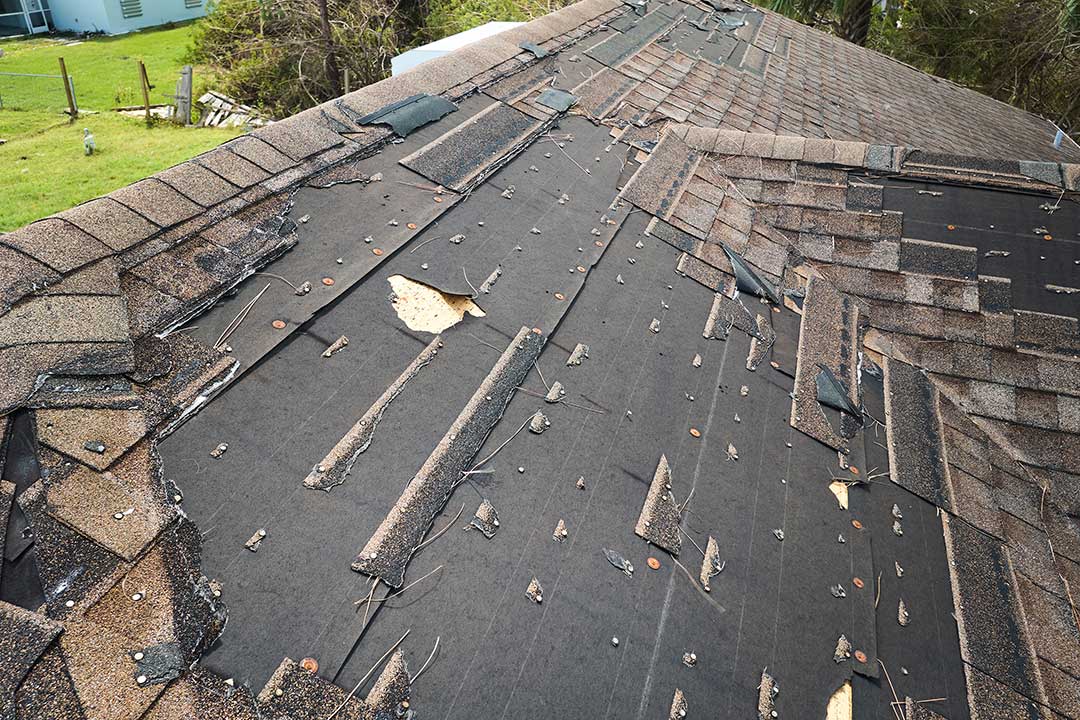
The longer damage remains exposed to weather, the more likely the repair will involve multiple layers of the building. A repair that might initially involve replacing a few roofing materials can expand to include wet insulation, deteriorated decking, damaged fascia, interior drywall, or structural wood.
Delayed repairs can also make it harder to identify the original source. Water may travel along rafters or underlayment, leaving several stains that appear unrelated. Multiple seasons of exposure can obscure whether the main cause was wind damage, failed flashing, poor drainage, condensation, or general material aging.
A roof that appears dry on a sunny day may still be vulnerable. Some leaks occur only during wind-driven rain, heavy snowmelt, or specific wind directions. Checking the attic after significant weather can reveal damp insulation, darkened wood, or fresh water marks before interior finishes are damaged.
Which warning signs should residents watch for?
Roof-related warning signs may appear outside, inside, or in the attic. Useful observations include:
- Missing, curled, cracked, or slipped roofing materials
- Granules collecting in gutters or at downspout outlets
- Rust, gaps, or separated seams around flashing
- Water stains on ceilings or upper walls
- Peeling paint or bubbling drywall
- Damp insulation or musty attic odors
- Daylight visible through roof sheathing
- Sagging roof lines or soft areas on accessible roof surfaces
- Gutters pulling away from the roof edge
- Repeated leaks in the same location after previous repairs
A single stain does not always indicate an active leak, but it should not be dismissed without checking whether the area becomes darker, larger, or damp after precipitation.
Is a roof leak ever an emergency?
Some roof problems require urgent action because they involve immediate safety or rapidly spreading water. Examples include active water entering near electrical equipment, a sagging ceiling, a visibly collapsing roof area, extensive storm damage, or a large opening that exposes the attic.
During a storm, climbing onto the roof is especially dangerous. Wet shingles, ice, wind, and poor visibility increase the risk of falling. Temporary measures should be limited to actions that can be performed safely from the ground or from a protected interior location, such as placing containers beneath drips and moving belongings away from affected areas.
Roof repairs may also intersect with local building requirements, especially when structural components, major reroofing work, or changes to drainage are involved. Questions about permits or required inspections should be directed to the appropriate municipal authority before regulated work begins.
Why is prompt documentation useful?
Photographs and written notes can help track whether a problem is changing. Record the location of stains, the date they appeared, recent weather, and whether the area feels damp. Exterior photos taken safely from the ground can show missing materials, sagging gutters, or visible flashing gaps.
Documentation is also useful when comparing a repaired area over time. If staining returns after a repair, the source may not have been fully corrected, or a separate nearby defect may be allowing water into the same cavity.
Routine observation does not replace a proper evaluation, but it can help residents recognize developing problems before moisture spreads through the structure. In a region with snow, wind, rain, and freeze-thaw conditions, timely attention is often the difference between correcting a localized roof defect and addressing damage throughout the attic and interior.
